Friday, November 27, 2009
Wednesday, November 25, 2009
Eat, Drink, and Save the World!
SLOW FOODS THANKSGIVING 2009
Slow Foods and Buy Nothing Day have intersected and culminated in Mauri Parks and Miriam Easley's Social Media project for Using the Social Web for Social Change. We are two 2010 BGI graduate C7 hopefuls that are great friends, Islandwood roommates, and budding change agents who want to influence our sphere of influence and encourage you to practice your sustainability leadership skills within your own sphere of influence this holiday season. Pay it forward sustainability style. Thanksgiving is a harvest of food and blessings. Let's celebrate that together!
Instructions:
Eat, drink, and Save the world! No action is too big or small, Yes we can!
EAT & DRINK locally; engage in meaningful conversation among friends on Buy Nothing Day November 27th otherwise known as "Black Friday"
No matter how you get involved let us know your plans
Leave a comment on Mauri Parks or Miriam Easley's blogspot hip hop namaste or greengov
Action Ideas:
Engage in a national twitter online live feed on Friday BND hosted by Adbusters #BND09
Engage a perfect stranger with the a provocative question around consumerism, sustainability, and climate change and post the question in your social media network
Send us your photos
Send us a video log
Post your own blog and link to our blog or eat, drink, and save the world website
Pledge to do your own event
Stay tuned. Tomorrow the website will be unveiled. Keep checking in on our blogs for more information.
Ride the swell of a collective consumer consciousness social media project. Love and gratitude.
Mauri and Miriam
Please respond off the channel here:
mauriparksbgi@gmail.com
easleyme@gmail.com

Sunday, November 22, 2009
The Copenhagen Climate Summit is bringing to light the comparisons of China's GHG emissions vs. the U.S.'s GHG emissions. There is now a website dedicated solely to China, their emissions, and their impact on climate change. This brings the question: Does the U.S. have such a website?
Regardless (not the topic of this post, just something it brought to mind), there is a fountain of information there. Legal Planet brought this up in one of their blog posts. One of the things they brought up was looking at both U.S. and China's transportation and manufacturing contributors.
 China looks like they've surpassed the U.S. in GHG emissions but who's to blame? Is it China for following our lead in development strategy? Or is it the U.S.'s obsession with cheap, plastic, lead filled toys? Whatever the case, it's clear that China and the U.S. need to work together to set an example for GHG reduction to the rest of the world.
Regardless (not the topic of this post, just something it brought to mind), there is a fountain of information there. Legal Planet brought this up in one of their blog posts. One of the things they brought up was looking at both U.S. and China's transportation and manufacturing contributors.
China looks like they've surpassed the U.S. in GHG emissions but who's to blame? Is it China for following our lead in development strategy? Or is it the U.S.'s obsession with cheap, plastic, lead filled toys? Whatever the case, it's clear that China and the U.S. need to work together to set an example for GHG reduction to the rest of the world.
Copenhagen Climate Summit Breakdown
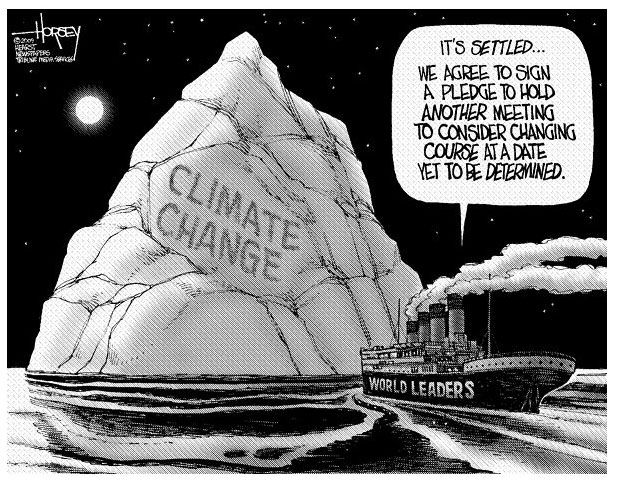
The Climate Summit is coming up soon. It starts on December 7 and will go until December 18. As a full time sustainable MBA student as well as being employed full time, I have a difficult time keeping up with all of the things going on the world right now: health care reform, the economic slump (is it really on an upturn?), climate change; this is just to name a few things. I would personally like to have cheat sheets to all of these things that I could trust. The breakdown of who, what, why, where, and how is incredibly useful to me. So, I broke down the 15th United Nations Climate Change Conference for myself and for my readers.

When: December 7 - December 18
Where: Bella Center in Copenhagen, Denmark
Who: Over 5,000 delegates from the UNFCCC participating countries plus over 10,000 officials, members of the media, advisers, and activists.
Why: I mean, come on...I think we all know at this point that something drastic in climate change policy needs to occur here. Also, some of the provisions in the Kyoto Protocol will begin expiring in 2012 and on top of that, they don't really go to the extremes needed for the required results.
How: 11 days of talks, they've gotta be able to figure out something! You can get involved by staying informed; signing petitions like the one at Seal The Deal, Greenpeace, or Friends of the Earth; or add a personal message through Friends of the Earth Climate Capsule.
What:
Topics of discussion
So, this is my own personal breakdown of what I understand to be happening. It's a huge deal, a fate-of-the-world big deal. It's important that the United States show up in full support of creating and meeting ambitious goals with this agreement.
There was a lot of information out there about COP-15 so, please, if something has been misrepresented or if there's a gap that needs to be filled, comment on this post and I will incorporate it into the main post (with credit to you and a link to your blog).
When: December 7 - December 18
Where: Bella Center in Copenhagen, Denmark
Who: Over 5,000 delegates from the UNFCCC participating countries plus over 10,000 officials, members of the media, advisers, and activists.
Why: I mean, come on...I think we all know at this point that something drastic in climate change policy needs to occur here. Also, some of the provisions in the Kyoto Protocol will begin expiring in 2012 and on top of that, they don't really go to the extremes needed for the required results.
How: 11 days of talks, they've gotta be able to figure out something! You can get involved by staying informed; signing petitions like the one at Seal The Deal, Greenpeace, or Friends of the Earth; or add a personal message through Friends of the Earth Climate Capsule.
What:
Topics of discussion
- The importance of developed countries taking the lead on climate change policy and GHG reductions. The European Union are proposing to reduce their GHG by 30% of 1990 levels by 2020.
- Developing countries should, together reduce their emissions 15-30%.
- The Kyoto Protocol doesn't cover international flight and shipping; the new agreement needs to.
- How will countries adapt to the inevitable pressures of climate change?
- Research and development is necessary for forward momentum. The potential for change with green technologies are tremendous.
- A reformation of Kyoto's Clean Development Mechanism.
- Building a carbon market.
- Developed countries' role in supporting developing countries.
- The U.S. and China step up and push for a comprehensive and aggressive agreement.
- The current targets are agreed upon and no stepping up occurs.
- A limited deal of mixed targets occurs.
- The Kyoto Protocol is extended.
- The talks are prolonged into 2010.
- They all puff up their chests, talk about this amazing agreement that just happened, and then do nothing.
So, this is my own personal breakdown of what I understand to be happening. It's a huge deal, a fate-of-the-world big deal. It's important that the United States show up in full support of creating and meeting ambitious goals with this agreement.
There was a lot of information out there about COP-15 so, please, if something has been misrepresented or if there's a gap that needs to be filled, comment on this post and I will incorporate it into the main post (with credit to you and a link to your blog).
Saturday, November 21, 2009
In Response to Psychological Sustainability
Last week I commented on the Army's lack of psychological support for their Soldiers and Families. The Army is aware of the lack and are taking steps to fill it. Listen to this report from NPR about the Army Comprehensive Fitness Program.
Sunday, November 15, 2009
Green Office Guide
Check out Sustainable Industries Green Office Guide for tips on how to make your office a more sustainable place!
Saturday, November 14, 2009
Japan, U.S. Forge Consensus on Climate, Cleantech
"The United States and Japan will work with each other to develop renewable energy technologies and other cleantech, as well as set an example for emissions cutting, after a mutual pledge from President Obama and Japanese Prime Minister Yukio Hatoyama." Full article.
The U.S. and Japan are working together to help each other cut their GHG emissions 80% by 2050. They hope to set an example to reach a global emission reduction of 50% by 2025. They will do this with the development of carbon capture and sequestration technologies. Unfortunately, they also plan to develop nuclear technologies as well. Two steps forward, one step back.
The U.S. and Japan are working together to help each other cut their GHG emissions 80% by 2050. They hope to set an example to reach a global emission reduction of 50% by 2025. They will do this with the development of carbon capture and sequestration technologies. Unfortunately, they also plan to develop nuclear technologies as well. Two steps forward, one step back.
Subscribe to:
Comments (Atom)
